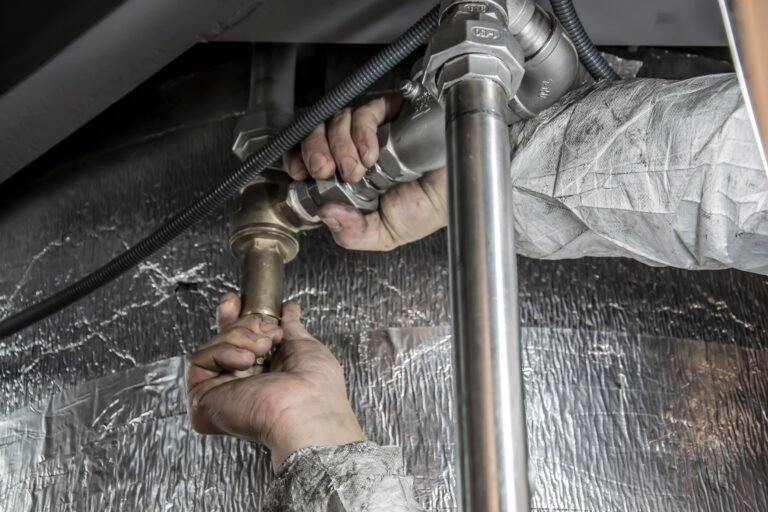
A Texas home maintenance checklist has to account for what Texas does to a house: summer heat that pushes attic temperatures past 140°F, clay soil that swells when wet and shrinks when dry, spring storms and hail, and winter freezes that arrive with little warning and burst unprotected pipes.
The same task list that works in a mild climate misses the jobs that matter here — and the jobs that matter here are mostly seasonal. Do the right work in the right season, and the expensive failures — a dead air conditioner in August, a foundation crack after a dry summer, a burst pipe in a February freeze — stay unlikely.
This checklist follows the seasons: monthly checks that run all year, then spring, summer, fall, and winter tasks, drawn from Texas-focused maintenance guides. It is a homeowner’s checklist, not a contractor’s manual: anything involving gas, high voltage, the roof surface, or structural questions belongs with a licensed professional.
Monthly, All Year
| Task | Why | Notes |
|---|---|---|
| Replace or check HVAC filters | Texas systems run hard; clogged filters raise bills and strain equipment | Every 30–60 days, sooner in peak summer (YourViewHome, Oct 2026) |
| Test smoke and carbon monoxide detectors | Detectors fail silently | Test monthly; replace batteries about yearly; replace detectors per manufacturer schedule |
| Check under sinks and around toilets for leaks | Small leaks rot cabinets and floors quietly | Look for stains, soft wood, and musty smell |
| Test GFCI outlets | GFCIs protect kitchens, baths, and outdoors | Press the test button; if it does not trip, call an electrician |
| Walk the perimeter for pests | Ants, termites, and mosquitoes are year-round Texas concerns | Look for mud tubes, droppings, and standing water |
| Check fire extinguishers | An expired extinguisher is decoration | Check pressure gauges annually; keep one per floor |
Keep a maintenance journal alongside this Texas home maintenance checklist — a notebook or a phone note — with the date each task was done. When you sell, when you file an insurance claim, or when a contractor asks “when was this last serviced,” the journal answers. Quarterly walk-throughs of the whole property catch what monthly checks miss.
Spring (March–May): Roof, Gutters, Cooling, Exterior
Spring is preparation season: the roof and cooling system must be ready before summer heat and storm season arrive together.
- Roof and gutters. Clear gutters and downspouts of winter debris, and check that downspouts discharge at least 3 feet from the foundation. Inspect the roof from the ground — with binoculars, not by climbing — for missing, cracked, or lifted shingles, and check flashing around chimneys, vents, and skylights. Spring storms bring hail; a roof checked in spring is a roof whose pre-storm condition is documented.
- HVAC tune-up. Schedule professional air-conditioning service before the first heat wave: refrigerant, coils, drains, and thermostat calibration. A system serviced in spring is a system that does not fail on the first 100°F day, when every technician in the county is booked.
- Exterior and siding. Walk the exterior for peeling paint, cracked caulk, damaged siding, and wood rot. Texas sun punishes paint; touch up early before bare wood is exposed to summer rain. Check window and door seals.
- Faucets and sprinklers. Test outdoor faucets for freeze damage from winter — a faucet that leaks inside the wall when turned on may have a burst pipe behind it. Run the sprinkler system zone by zone and check for broken heads and leaks.
- Foundation look-over. Walk the foundation and note any cracks, with dates and photos. Hairline cracks are common in Texas clay; new, widening, or stair-step cracks deserve a structural engineer’s opinion, not a guess. Keep soil moisture consistent around the foundation — see the summer section for the foundation-watering debate.
Summer (June–August): Cooling, Foundation, Pests, Safety
Summer is the hard season. The air conditioner runs constantly, the soil dries and shrinks, and pests peak.
- Cooling efficiency. Change filters on the shorter end of the 30–60-day range during peak use. Use ceiling fans to circulate air, keep attic vents unblocked — attic temperatures can top 140°F in July — and check that attic insulation has not been displaced. A programmable thermostat schedule that eases the load during peak hours reduces strain on the system.
- Foundation moisture. Texas clay soil swells when wet and shrinks when dry, and that movement stresses foundations.
- Soaker hoses placed 12–18 inches from the foundation perimeter are one commonly recommended way to keep soil moisture more consistent during dry spells. But foundation watering is a contested topic: how much, how often, and whether it helps depends on the soil, the foundation type, and the drainage.
- One homebuilder guide suggests two to three sessions per week of 15–30 minutes — a single-source claim, not a settled standard. The safe version: monitor for new cracks and doors that stick, keep drainage moving water away from the house, and ask a foundation or structural professional before committing to a watering schedule. Do not let water pool against the foundation in either direction.
- Pests. Ants, termites, and mosquitoes peak in summer. Remove standing water, keep vegetation trimmed back from the house, and seal gaps where pests enter. Termite signs — mud tubes on the foundation, discarded wings, hollow-sounding wood — mean calling a pest professional promptly.
- Safety devices. Test smoke and carbon monoxide detectors monthly through the season, and confirm fire extinguishers are charged. Summer storms bring power outages; know where flashlights and batteries are, and never run a generator indoors or in a garage.
- Weatherstripping and shade. Check weatherstripping on doors and windows; failed seals leak cooled air all summer. Exterior shade — trees, awnings, shades — reduces heat gain more cheaply than a larger air conditioner.
Fall (September–November): Seal, Drain, Heat, Trees
Fall is the second preparation season: seal the house, clear the drainage, and get the heating system ready before the first freeze.
- Seal and insulate. Caulk gaps around windows and doors with silicone or acrylic caulk, and check attic insulation before the heating season. Sealing air leaks now pays back all winter.
- Yard and trees. Clear leaves from gutters, drains, and roof valleys. Trim tree branches that overhang the roof or touch the house — dead limbs fall in winter storms. Check that outdoor drains are clear and that grading still moves water away from the foundation.
- Heating service. Schedule professional furnace or heat-pump service before the first cold snap, just as the air conditioner was serviced in spring. Test the system before you need it. If you have a fireplace, have the chimney inspected and cleaned; check the damper and the firebox.
- Reverse ceiling fans. Set fans to run clockwise at low speed in winter, pushing warm air down from the ceiling.
- Outdoor faucets. Before the first freeze, disconnect hoses, drain outdoor faucets, and fit foam faucet covers. This is the single cheapest freeze-prevention job in the house — and the one most often forgotten until the freeze warning is already out.
Winter (December–February): Pipes, Heat, Roof, Emergency Supplies
Winter in Texas is short and sharp: most days are mild, and then a freeze arrives that the house was never built for. The winter checklist is a freeze-preparedness checklist.
- Insulate pipes. Exposed pipes — in attics, crawl spaces, garages, and along exterior walls — should be insulated with pipe sleeves or heat tape before cold weather. Hose bibs are the most vulnerable outdoor point: disconnect hoses, close inside shutoff valves where present, and cover the bibs.
- Know the main shutoff. Find the main water shutoff — usually near the water meter box or where the main line enters the house — and test it yearly. In a burst-pipe emergency, the shutoff is the difference between a puddle and a flood. Every adult in the house should know where it is.
- Drip faucets during hard freezes. During sustained freezing weather, letting interior faucets drip can help prevent pipes from freezing. Freeze risk rises sharply when temperatures stay below 28°F for an extended period. Open cabinet doors under sinks so warm air reaches the pipes, and keep the thermostat at a steady temperature day and night during the freeze.
- Roof and attic check. After a winter storm, inspect the roof from the ground for damage and check the attic for daylight through the roof, wet spots, or stained rafters. Do not climb onto a wet or icy roof.
- Fireplace and chimney. If the fireplace is in use, keep the flue clear and never leave a fire unattended. Space heaters need clear space around them and should never run unattended.
- Emergency supplies. Keep flashlights, batteries, bottled water, nonperishable food, blankets, and a battery radio ready for winter-storm outages. The Ready.gov winter weather guidance is the federal reference for household preparedness. Charge phones before a storm, and know how to report a power outage to your utility.
Texas Home Maintenance Checklist: The Annual Rhythm
| Season | Priority jobs |
|---|---|
| Monthly | Filters, detectors, leak checks, GFCI tests, perimeter pests |
| Spring | Roof and gutters, HVAC tune-up, exterior, faucets and sprinklers |
| Summer | Cooling efficiency, foundation moisture monitoring, pests, safety devices |
| Fall | Sealing, drainage, heating service, trees, outdoor faucets |
| Winter | Pipe insulation, main shutoff, drip faucets in freezes, roof and attic checks, emergency supplies |
The rhythm of a Texas home maintenance checklist matters more than any single task. A house maintained seasonally with a Texas home maintenance checklist fails less, costs less to insure against, and shows its problems while they are still small. The most expensive maintenance is the maintenance that was skipped — a foam faucet cover against a burst-pipe repair, a clean filter against a burned-out compressor, a spring gutter cleaning against a foundation problem.
Frequently Asked Questions
How often should I change my HVAC filter in Texas?
Every 30–60 days, and sooner during peak summer use, per Texas maintenance guidance. A clogged filter raises energy bills, strains the system, and shortens equipment life. Check monthly; change when dirty, not on a fixed calendar alone.
Should I water my foundation in Texas?
Foundation watering is debated, and there is no single settled schedule. Texas clay soil swells and shrinks with moisture, and keeping soil moisture consistent is widely recommended — but how much water, how often, and whether watering helps depends on your soil, foundation type, and drainage. Monitor for new cracks and sticking doors, keep drainage moving water away from the house, and ask a foundation or structural professional before starting a watering schedule.
When should I service my air conditioner in Texas?
In spring, before the first heat wave. A professional tune-up covers refrigerant, coils, drains, and thermostat calibration. Servicing in spring means the system is ready when demand peaks and technicians are hardest to book.
What should I do before a Texas freeze?
Disconnect hoses, cover outdoor faucets, insulate exposed pipes, know where the main water shutoff is, and be ready to drip faucets and open cabinet doors during sustained freezing weather. Prepare early — insulation and faucet covers sell out when a freeze warning is issued.
Do I need a professional for home maintenance?
For gas, high-voltage electrical, roof-surface work, and structural questions, yes — hire licensed professionals. Homeowners can handle filters, detectors, leak checks, gutter clearing from the ground, caulking, and faucet covers. Annual professional HVAC and plumbing inspections catch what homeowner checks miss.
For more guides, browse more home improvement guides on the blog.